
I’ve been in Cartagena, Colombia for the past few days and so far it’s been a great experience. I’ve been enjoying the food and my Spanish is improving very quickly. Unfortunately, yesterday I started coming down with something. After my classes classes, I went to the pharmacy, head a bit swimmy and not fully myself. I asked the pharmacist for something for a dry cough (I had medications for my other symptoms already) and when he put down the cough syrup in front of me, I didn’t look too hard at it, assuming that whatever he’d put in front of me would be sufficient for my symptoms, so I purchased it and went about the rest of my day.
Flash forward to me in my language school accommodations, ready to take my meds and get some relief, I opened my bag, pulled out the bottle and I’m greeted with the words, “Medicamento homeopático” staring at me from the box. Now I’m thinking, “well shit, I’ve been had”.
Now I know homeopathic medication is considered alternative medicine for a reason, so naturally I don’t take it and immediately get to work, desperately trying to find studies demonstrating its effectiveness just in case I’m wrong, just in case there’s something I don’t know.
After an hour or so, surprising no one, I find no studies assessing the “medication’s” efficacy… Until I stumbled across this gem.
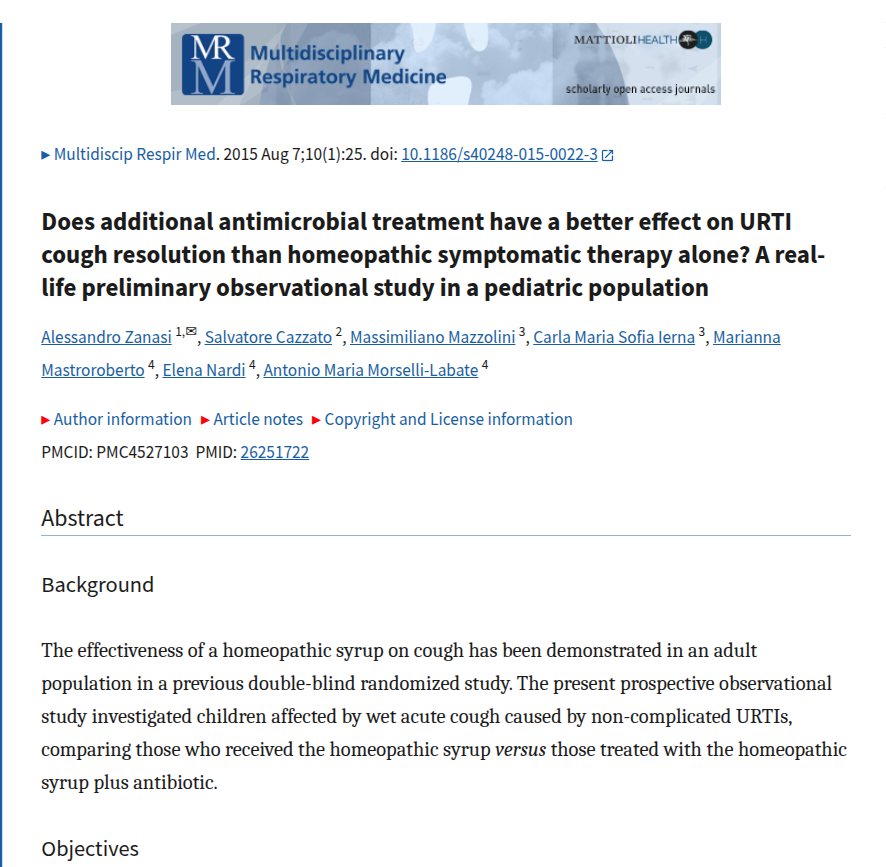
Great, an actual study! A preliminary study, but still, this is something I can work with. So i start reading through this thing and I take note of some interesting quirks in the paper, particularly regarding the methodology (more on that in a potential future post?). At this point, I have enough doubts that I decided to check the top two things about the paper: the authors' credentials and the source of funding.
Glancing at the authors, the team of academics seem to either be associated with the Italian Association for Cough Study (AIST) and various Hospitals and medical departments, which sounded okay to me. Haven’t looked any deeper into these people or their organizations, but it didn’t jump out as a red flag to me just yet.
Scrolling down all the way to the end of the study, I found the acknowledgements:

Seems the study was partially funded by a company called “Boiron SA” in Messimy, France.
“Who is “Boiron SA?” you ask, quivering in your seat. Great question!
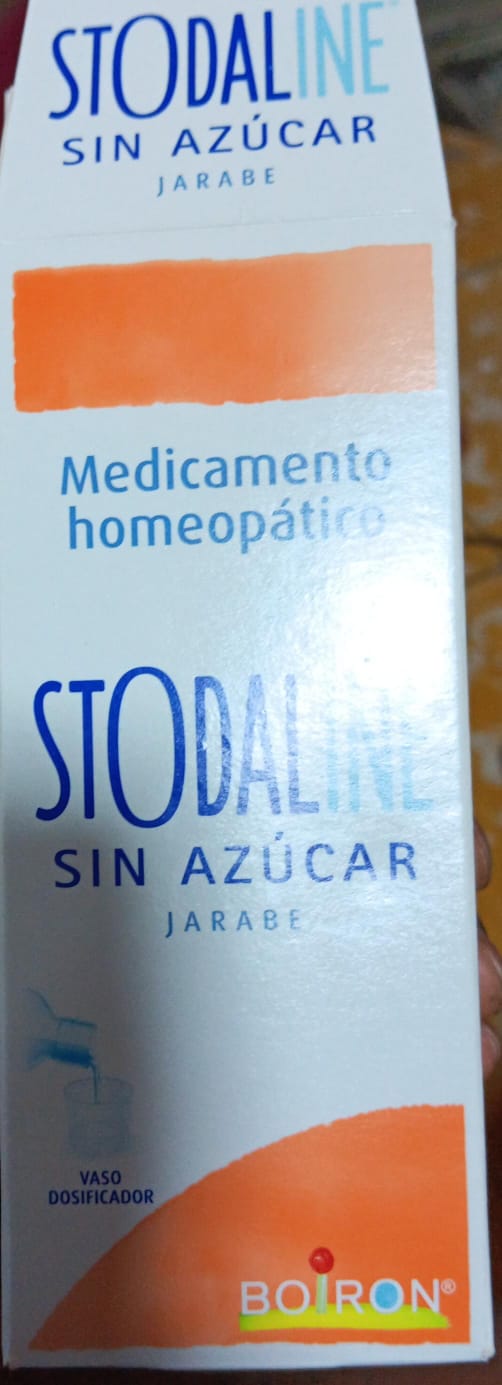
It’s the same goddamn company that made the “medication” so yeah, I won’t be taking that shit.